3D scanning, depth and volume

Meet Cal 3D the calorie counter that measures your food

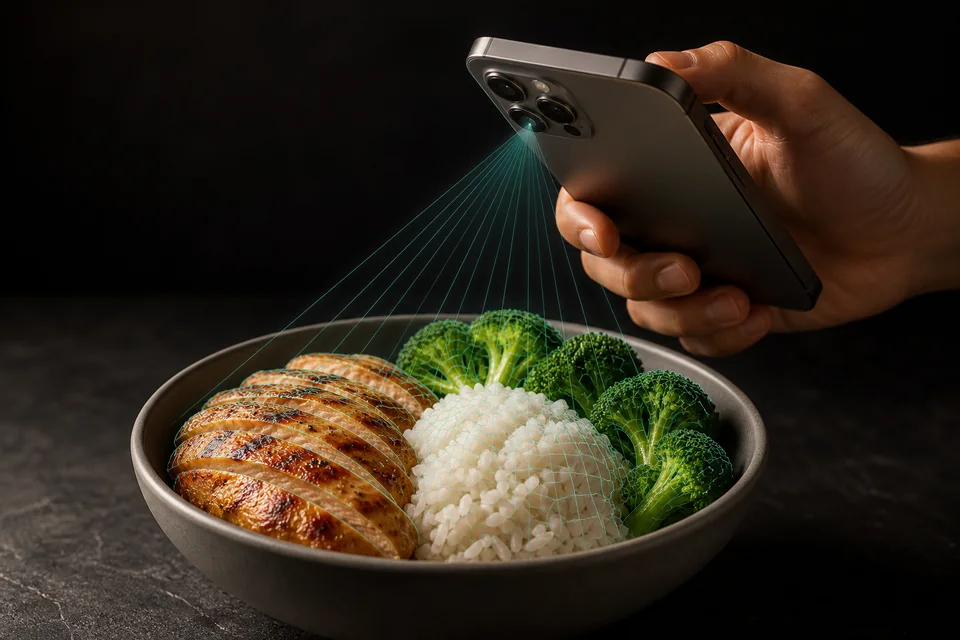
Point your phone at your plate for three seconds. Cal 3D sees how much food is really there, so your portion comes from your plate and not from a guess.

Measuring needs a Pro model, iPhone 12 Pro or later. On other iPhones the numbers are estimates, and Cal 3D says so.

Coming to the App StoreComing to Google Play

Not released yet. iOS first, Android is in the works.

Why 3D

A photo is flat. Your food is not.

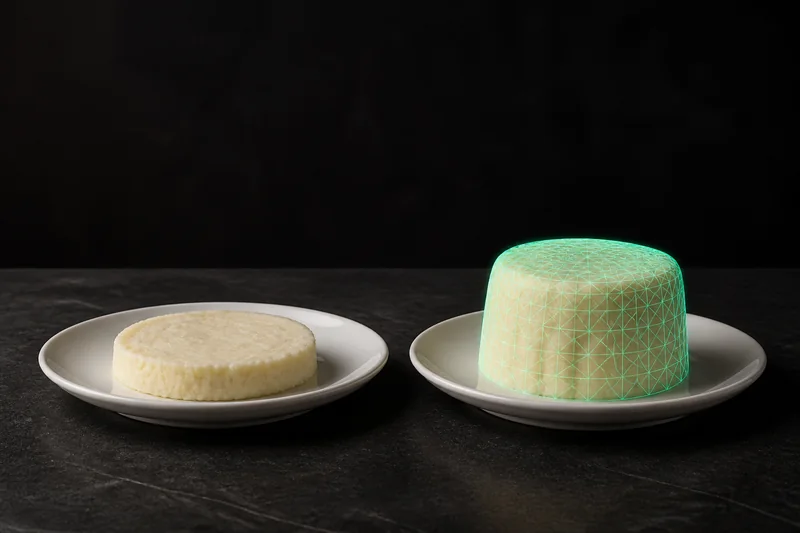
Photo trackers read your portion off one flat picture. Cal 3D measures its shape.

Volume × density = grams

  1. Sweep

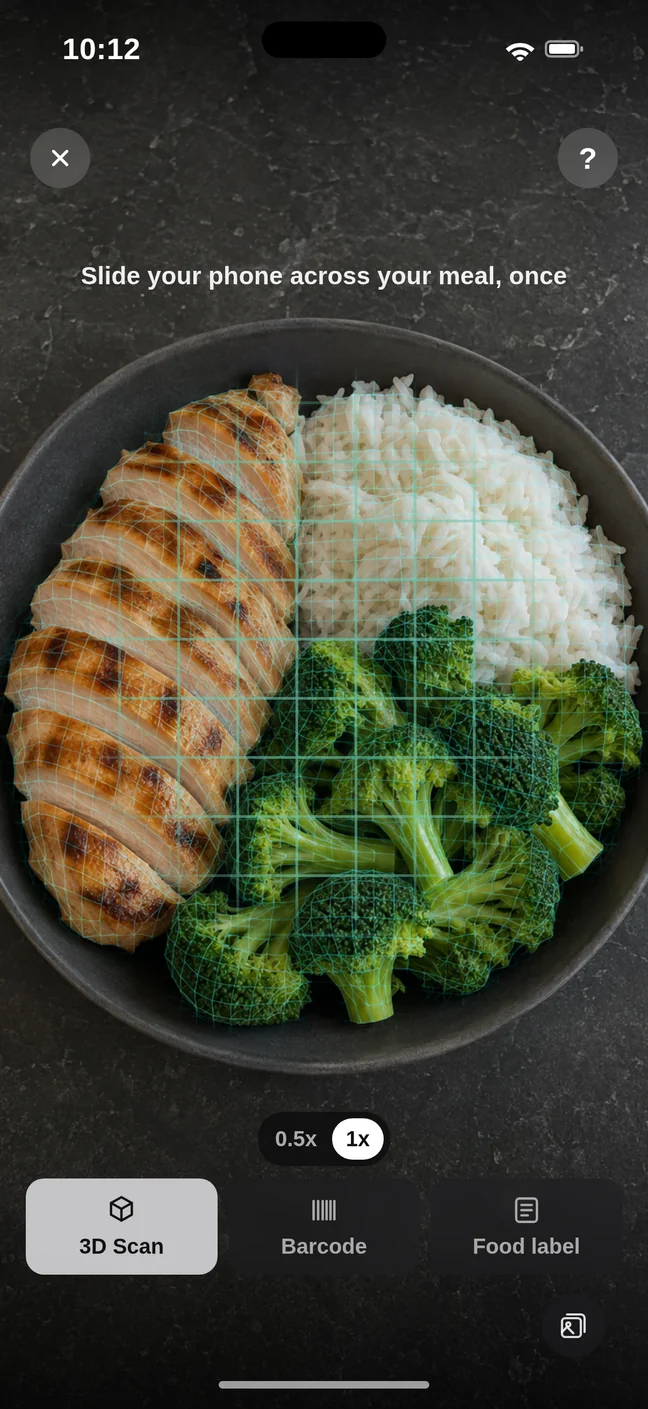
    Move your phone once around the plate. Three seconds.

  2. Volume

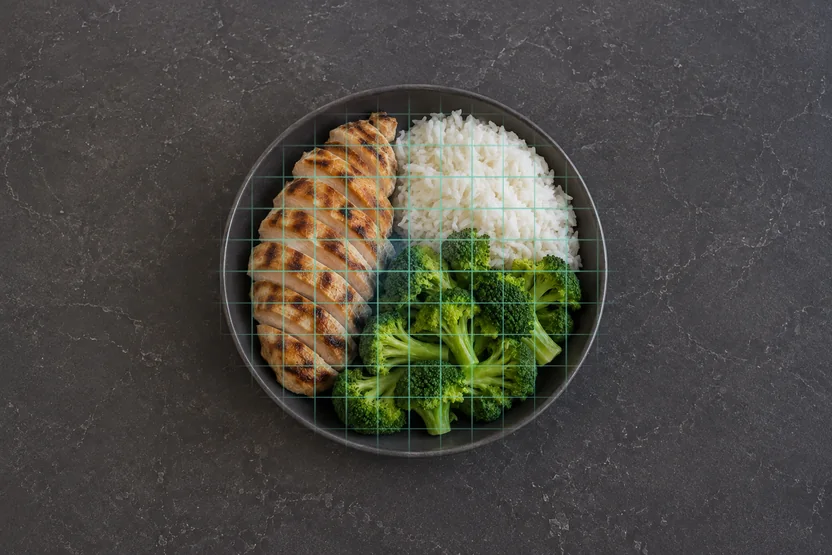
    The depth sensor turns your food into a shape, measured in millilitres.

  3. Grams

    Every food has a density. Millilitres become grams, grams become calories.

The sweep

Three seconds, one half-circle

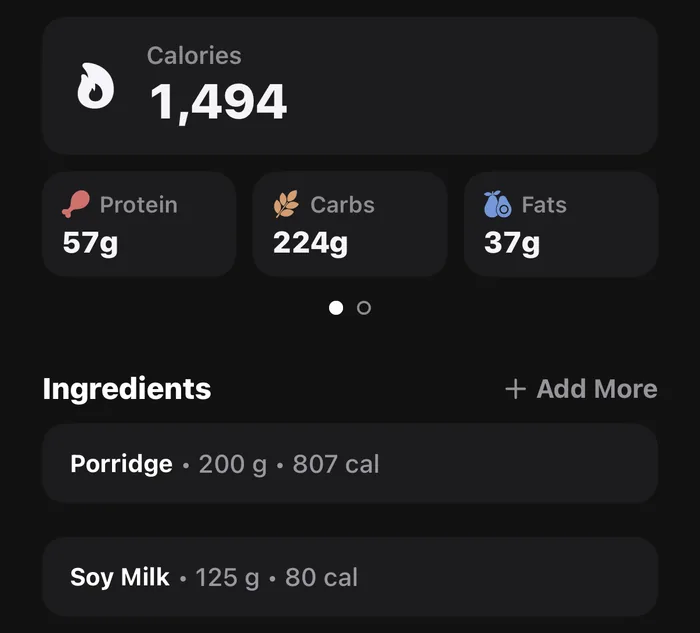
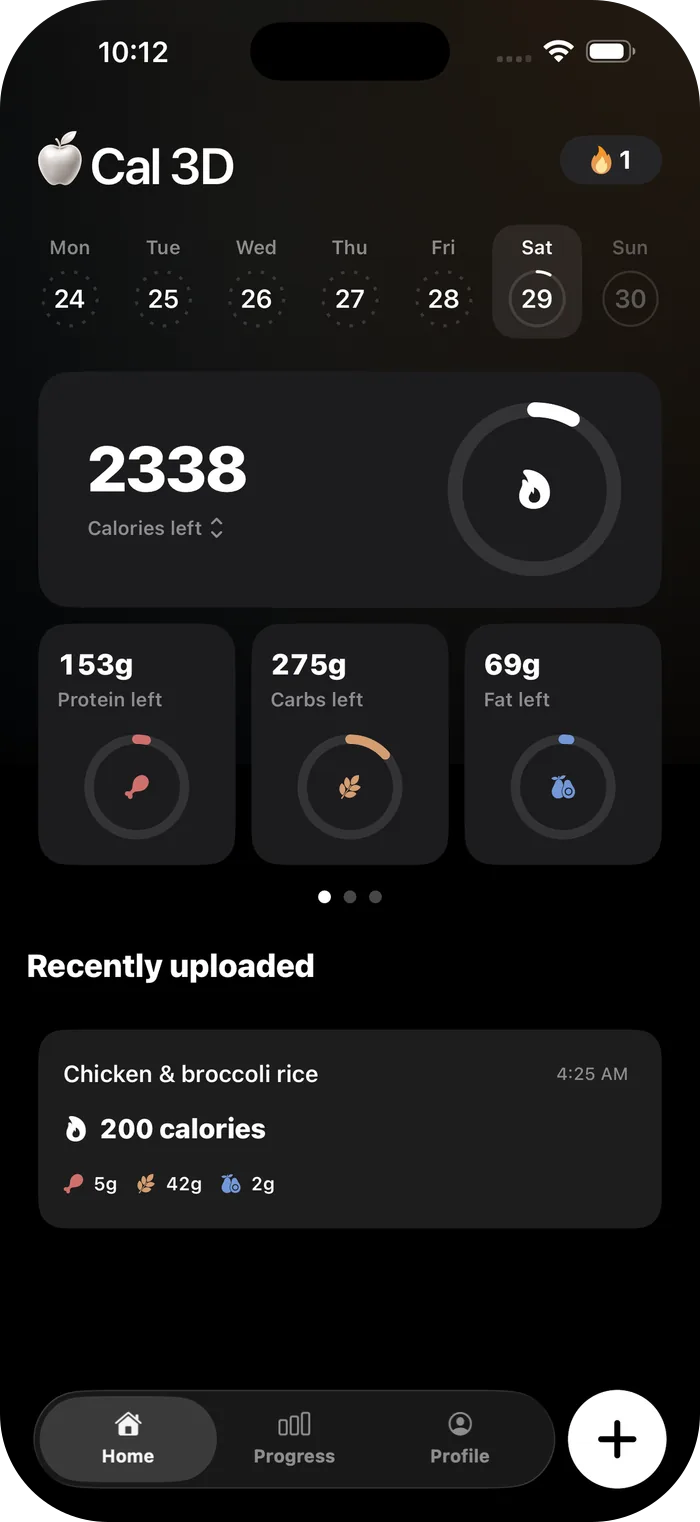
The app says when it has seen enough. Ingredients, grams and calories come straight after — all of it editable before you save.

What does Cal 3D include?

A plate with sliced grilled chicken, rice, roasted broccoli and cherry tomatoes on an oak table.
  • A measured portion

    It sees how deep your food is, not just how wide. Works on the Pro and Pro Max models from the iPhone 12 Pro onwards.

  • Grams for every item

    The chicken is weighed as chicken, the rice as rice.

  • Barcode and food database

    Packaged food has its values printed on it. Scan it or search by name.

  • A diary on your iPhone

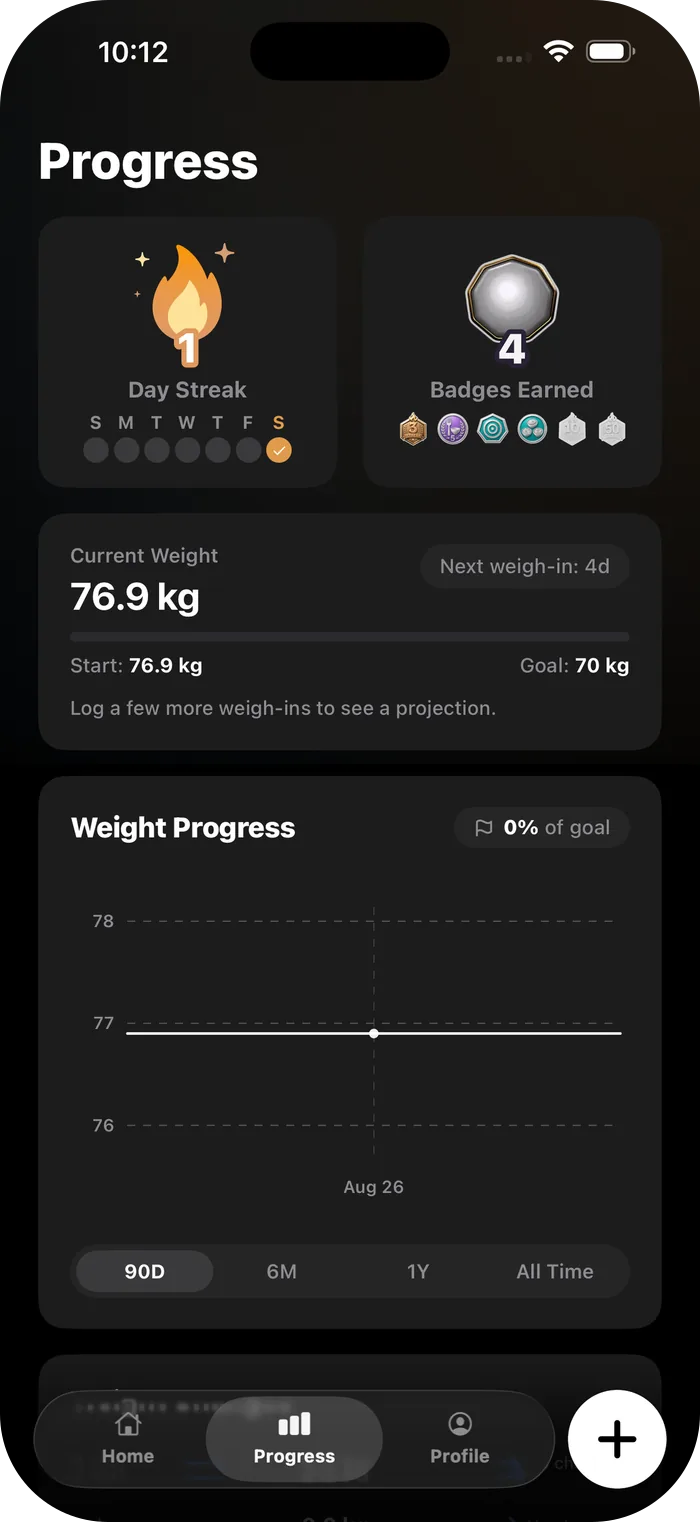
    Meals, weight and history stay on the device. There is no account.

The sweep and the photo recognition need Cal 3D Premium; everything else is free for good. What the subscription includes.

Why choose Cal 3D?

A hand holding a phone about 30 centimetres above a plate of chicken, rice, broccoli and tomatoes.
1

It measures where others estimate

A mound of rice can weigh 120 grams or 280 and look identical in a photo. On an iPhone that cannot see depth, Cal 3D estimates too — and says so on every number.

2

Every number says where it came from

Each entry is labelled Measured or Estimated. It never says Measured when the value was a guess.

3

The measurement stays on the device

A photo, a typed food name or a typed workout goes to an AI model — nothing else, and only to name what it is. Who receives it is in the privacy policy.

Frequently asked questions

What does Cal 3D do differently from other calorie apps?

Other apps estimate portion size from a single photo. But a photo has no scale — the same bowl of rice can weigh 120 or 280 grams and look identical in the image.

Cal 3D asks you to sweep around the plate for three seconds instead and measures the volume from the camera’s depth data. Volume times density gives a weight — the step others guess is measured here.

The whole calculation is laid out on the method page.

How accurate is Cal 3D really?

Honest answer: we do not have a solid figure of our own yet, and we are not inventing one.

What we have measured is the problem: the photo pipeline from which Cal 3D inherited its ingredient recognition sat at roughly 30 % calorie error across 28 weighed plates from the public Nutrition5k dataset — with a clear pattern, not random noise. That pattern is exactly what the measurement attacks.

As soon as a series of our own exists, it will appear with the date, the number of plates and a description of the setup on the method page.

Which iPhones are supported?

The app needs iOS 17 or later. Volume measurement additionally requires a LiDAR sensor, which is fitted to the Pro and Pro Max models from the iPhone 12 Pro onwards — so not to older Pro models such as the iPhone 11 Pro.

On every other device Cal 3D works fully but labels its values as estimated. We say this before you buy, not after.

Is there an Android version?

Not yet — iOS comes first. Android is being built alongside it: the app already carries its Android icon set and its Android layout fixes.

The volume maths itself is written in Swift today, in a module of its own rather than inside the iOS screens, so that the port has something to port. A shared C++ core is prepared for it but still empty — we would rather say that than let you read a plan as a status.

We are not naming a date, because we cannot keep one yet. What holds Android up is not the app but the hardware: depth sensors vary far more across Android devices than across iPhones, and a measurement we cannot vouch for is worth less than an honest estimate.

Do I have to create an account?

No — there is none. You never sign in, we keep no list of users, and your diary lives on your device.

What does Cal 3D cost?

Prices are set once the app is in the store — you will see them there before buying. We are not putting a number here while it is not binding.

No ratings yet — and none invented

Store ratings will appear here once there are any. Until then there is nothing to show, so we show nothing.

Coming to the App StoreComing to Google Play